


Credit Cards, explained without the fine print fog.
Learn how credit cards work, how to use them wisely, and how to avoid costly mistakes.
Credit cards can be a helpful tool when you understand how they work. We’re here to make that part easier, so you can borrow with confidence and build healthy habits over time.
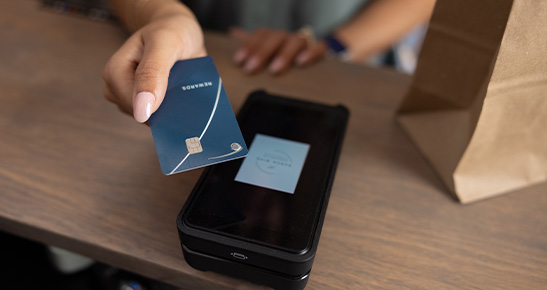
Using a credit card should not feel confusing
Whether you are opening your first card, trying to improve your credit, or just want to get better at managing balances, a little knowledge can go a long way. This page covers the basics in plain language, so you can make everyday decisions with more confidence.
What is a credit card?
A credit card lets you borrow money up to a set limit and pay it back over time.
What is a credit card?
A credit card lets you borrow money up to a set limit and pay it back over time.
What is a Credit Limit?
Your credit limit is the maximum amount you can borrow on the card.
What is a Credit Limit?
Your credit limit is the maximum amount you can borrow on the card.
What is a credit score?
A credit score is a number that helps lenders understand how you manage borrowed money.
What is a grace period?
A grace period is the time between your statement closing date and your payment due date. If you pay your full statement balance during that time, you may avoid interest on purchases.
Good habits today can save you money tomorrow.
When you understand how interest works, how payments affect your balance, and how credit use can impact your score, you are in a better position to stay in control. That means fewer surprises, fewer fees, and more confidence every time you use your card.
How Credit Cards Work

You make purchases
Each time you use your card, the amount is added to your balance.

You get a monthly statement
Your statement shows what you spent, what you owe, your minimum payment, and your due date.

You choose how much to pay
You can pay the minimum, pay more than the minimum, or pay the full statement balance.

Interest may apply
If you carry a balance from month to month, interest may be charged based on your APR.

Your activity affects your credit
Paying on time and keeping balances manageable can help build stronger credit habits over time.
Use your card as a tool, not a backup plan.
-
-
- Pay on time, every time
- Keep your balance as low as you can
- Try to pay your full statement balance when possible
- Watch your spending between statements
- Review your transactions often
- Know your due date and your APR
-
Setting up automatic payments can help you stay on track.
Common Mistakes to Avoid
Only making the minimum payment
This can stretch out repayment and increase the amount of interest you pay.
Maxing out your card
Using too much of your available credit can make repayment harder and may affect your credit profile.
Missing a due date
Late payments can lead to fees and may impact your credit.
Ignoring your statement
Your statement helps you spot changes, track spending, and catch errors early.
Opening more credit than you need
More available credit is not always better. The right fit depends on your goals and budget.
Your habits matter.
Your credit score can be influenced by how you use your card over time. Two of the biggest factors are paying on time and keeping your balances under control.
A few steady habits can make a real difference:
-
-
- Pay by the due date
- Avoid carrying high balances
- Use credit consistently and responsibly
- Review your account regularly
-
When a Credit Card Makes Sense
A credit card may be a good fit when you:
-
-
- Want a convenient way to make everyday purchases
- Can stick to a budget
- Plan to pay on time
- Want to build or strengthen credit habits
- Need added flexibility for planned expenses
-
A credit card may NOT be the best fit when you:
-
-
- Are already struggling to manage monthly payments
- Need to borrow for costs you cannot realistically repay
- Do not have a plan for paying down the balance
-
Tips For First-time Cardholders
If this is your first credit card, begin with a plan. Use it for a few regular purchases each month, keep spending manageable, and pay attention to your statement. You do not need to use a lot of credit to build good habits. You just need to use it responsibly.
Setting up automatic payments can help you stay on track.
Ready To get started?
Start simple. Stay steady.
FAQ's
Is it better to pay in full or carry a balance?
Paying your full statement balance is usually the best way to avoid interest on purchases.
Does checking my balance hurt my credit?
No. Monitoring your own account and score is generally a smart habit.
What happens if I miss a payment?
You may be charged a late fee, and it could affect your credit depending on timing and reporting.
Should I close a card I do not use?
That depends on your situation. Before closing a card, it can help to understand how it may affect your available credit and account history.
How many credit cards should I have?
There is no one-size-fits-all answer. The right number depends on your budget, goals, and ability to manage payments responsibly.
You do not have to figure it out alone.
Credit cards can be useful, but only when they fit your life and your budget. If you want help understanding your options or building a plan, our team is here to talk it through with you, person to person.
Life is full of possibilities. Let’s help you use credit wisely.
Get clear on the basics, build better habits, and take your next step with confidence.
Friendly guidance from people who care.